

Berlin Graffiti History Tour: From the Berlin Wall to Modern Street Art
- News
-
May 26
-
6 min read
- Share post
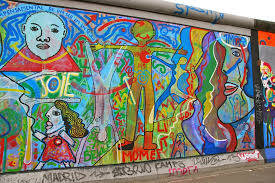
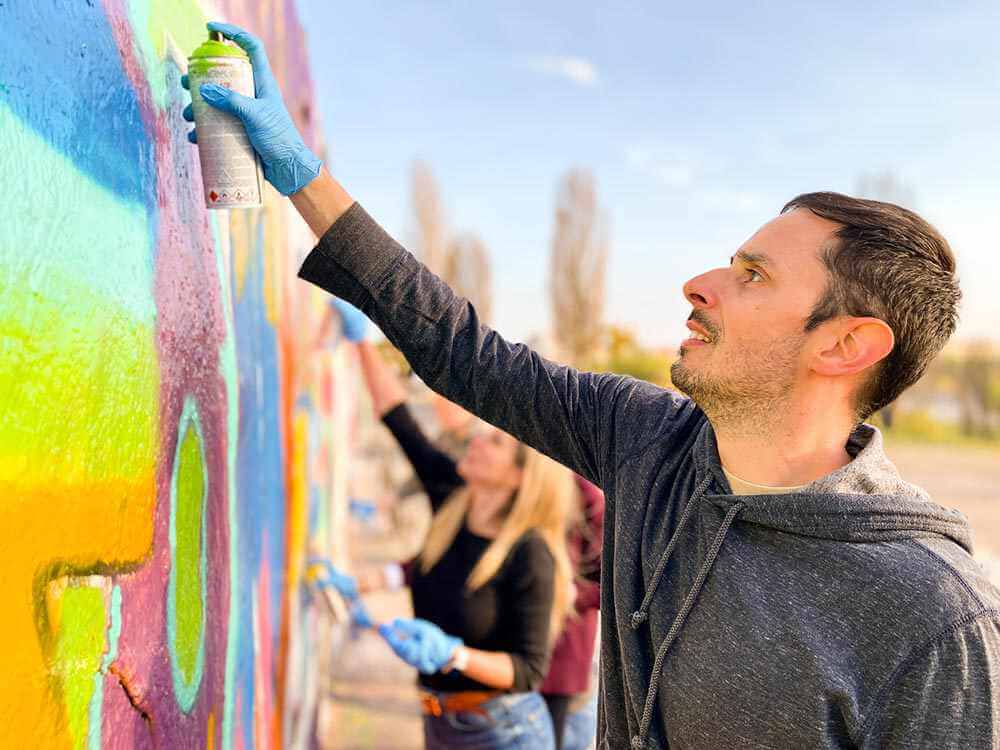
Berlin is one of the very few cities where graffiti is not only tolerated but deeply embedded in its identity. A Berlin Graffiti History Tour is far more than a colorful walk through urban neighborhoods—it is a powerful journey through political division, social rebellion, artistic freedom, and cultural transformation.
Unlike other global cities where graffiti is treated as decoration or vandalism, Berlin’s street art tells real, visceral stories. Every tag, stencil, mural, and painted wall reflects decades of struggle, resistance, and creative rebirth. Exploring graffiti in Berlin means understanding the city’s past, present, and future through its streets.
This comprehensive guide takes you deep into Berlin’s graffiti history, explains why the city became a global capital of street art, and shows how an authentic guided graffiti history tour offers one of the most profound cultural experiences Berlin has to offer.
Why Berlin Is the World Capital of Graffiti and Street Art
A City Marked by Division and Expression
Berlin’s graffiti culture cannot be separated from its unique political history. During the Cold War, Berlin was divided into East and West, separated by ideology, surveillance, and concrete. This division created an intense need for expression—especially on the western side of the city.
Graffiti quickly emerged as a voice for those who felt trapped, unheard, or angry. Walls became newspapers, slogans replaced speeches, and paint replaced protest signs. Graffiti was raw, emotional, and urgent. It was never about decoration, it was about survival and freedom.
The Berlin Wall as a Political and Artistic Symbol
The Berlin Wall instantly became the most powerful graffiti surface in modern history. On the western side, artists and activists painted messages of peace, protest, satire, and hope. The Wall transformed into a living archive of resistance.
Each layer of paint represented a moment in time, a political opinion, or a personal cry for freedom. No museum could ever recreate that energy. This is why exploring the Berlin Wall is the cornerstone of any dedicated graffiti history tour.
From the Fall of the Wall to a Global Street Art Explosion
1989: When Borders Fell and Creativity Erupted
The fall of the Berlin Wall in November 1989 marked a turning point. Suddenly, enormous areas of the city were abandoned: border zones, factories, train yards, and empty buildings.
Artists seized these spaces. Graffiti evolved from political protest into a form of cultural exploration. Berlin became a massive open-air laboratory where styles, techniques, and messages blended freely.
Why Berlin Attracted Artists From Around the World
After reunification, Berlin offered something rare:
- affordable living costs
- unlimited creative freedom
- tolerance for alternative lifestyles
- vast unused urban spaces.
Artists from Europe, the Americas, and beyond came to Berlin to paint, experiment, and collaborate. The city became a magnet for creativity, shaping its reputation as the street art capital of the world.
Key Locations on a Berlin Graffiti History Tour
The Berlin Wall: Memory, Art, and Collective Trauma
Any serious graffiti history tour begins with the Berlin Wall. Its remaining segments are more than historical relics: they are emotional landmarks.
Expert guides explain:
- the meaning behind iconic murals,
- how graffiti reflected political tensions,
- why the Wall still resonates globally.
Standing in front of the Wall while hearing these stories creates a powerful emotional connection that books and museums cannot replicate.
“Mauerpark”: From Death Strip to Creative Playground
Mauerpark is one of the most symbolic contemporary graffiti locations in Berlin. Once part of the Death Strip, this area is now home to one of the most famous legal graffiti walls in the world.
Here, graffiti is constantly repainted. Art is temporary, spontaneous, and alive. Mauerpark perfectly represents Berlin’s ability to transform trauma into creativity and openness.
Urban Hotspots: Kreuzberg and Friedrichshain
While the Wall provides historical context, neighborhoods like Kreuzberg and Friedrichshain offer a look at the current reality of Berlin street art. These areas are the beating heart of alternative culture and are filled with tags, throw-ups, and large-scale murals addressing social justice and anti-gentrification movements.
How a Berlin Graffiti History Tour Works
Guided Storytelling and Historical Context
A graffiti history tour is not just visual, it is deeply educational. Professional guides connect street art to:
- Cold War history
- political movements
- youth culture
- migration and identity.
Participants gain a deeper understanding of why graffiti appeared in specific locations and how it evolved alongside Berlin itself.
Interactive and Hands-On Experiences
Many graffiti history tours include practical elements. Participants may:
- learn basic graffiti techniques (a unique skill-building opportunity!)
- understand lettering and symbols
- spray paint on legal walls.
This hands-on approach turns history into a personal experience, making it more engaging and memorable. If you are interested in getting hands-on, don’t hesitate to contact us via email to book your graffiti workshop in Berlin.
Who Should Join a Berlin Graffiti History Tour?
Travelers Looking for Authentic Berlin
If you want to experience Berlin beyond traditional sightseeing, a graffiti history tour offers:
- hidden stories
- local culture
- authentic neighbourhoods.
It reveals the soul of the city rather than just its landmarks.
Families, Students, and Educational Groups
Graffiti history tours are accessible to all ages. Children learn visually, students explore history creatively, and families enjoy an outdoor cultural activity together.
Corporate Groups and Creative Teams
For companies, graffiti history tours offer:
- creative inspiration
- team bonding
- cultural insight
They are often combined with workshops for team-building and innovation.
Graffiti as Freedom, Memory, and Urban Identity
Graffiti in Berlin represents more than art. It reflects:
- freedom of expression
- collective memory
- resistance against oppression.
Unlike gallery art, graffiti belongs to everyone. It evolves constantly, disappears, and reappears, just like the city itself. Each painted wall is a conversation between past and present.
Practical Information for Visitors
Best Time to Join a Graffiti History Tour
- Weekdays: quieter and more focused
- Sundays: vibrant atmosphere with flea markets and performers
- Morning or late afternoon: best light and fewer crowds.
Accessibility and Urban Layout
Graffiti history tours take place in central districts and are easily accessible by public transport. Routes are generally flat and suitable for children and older participants.
Frequently Asked Questions (FAQ)
Is graffiti legal in Berlin?
Yes, on designated legal walls. All tours respect local regulations and guide you through the city responsibly.
Do I need artistic skills?
No experience is required. Tours are designed for complete beginners and focus on historical context, not artistic mastery.
How long does a tour last?
Typically, between 1.5 and 2.5 hours.
Is the tour family-friendly?
Yes, many tours welcome children and teenagers.
Why a Berlin Graffiti History Tour Is Unforgettable
What makes this experience unique:
- history told through real urban art
- authentic locations
- not staged attractions
- emotional connection to the city
- interactive learning.
This is not a tourist trap, it is a genuine cultural experience.
Conclusion: Discover Berlin Through Its Walls
A Berlin Graffiti History Tour is more than a guided walk. It is a journey through fear, hope, rebellion, and creativity. By following the traces of graffiti, you understand Berlin’s past, connect with its present, and feel its creative pulse.
If you want to experience Berlin in a meaningful, human, and unforgettable way, discovering its history through graffiti is one of the most powerful ways to do so.
📩 Ready to Book Your Workshop and Tour?
We do not use an online booking system. For any questions or to book your Graffiti Workshop in Berlin, please contact us directly via email. We will get back to you as soon as possible to arrange your unique experience.