


Graffiti as a Team Building Activity: Unlocking Creativity and Collaboration
- News
-
Jan 19
-
6 min read
- Share post
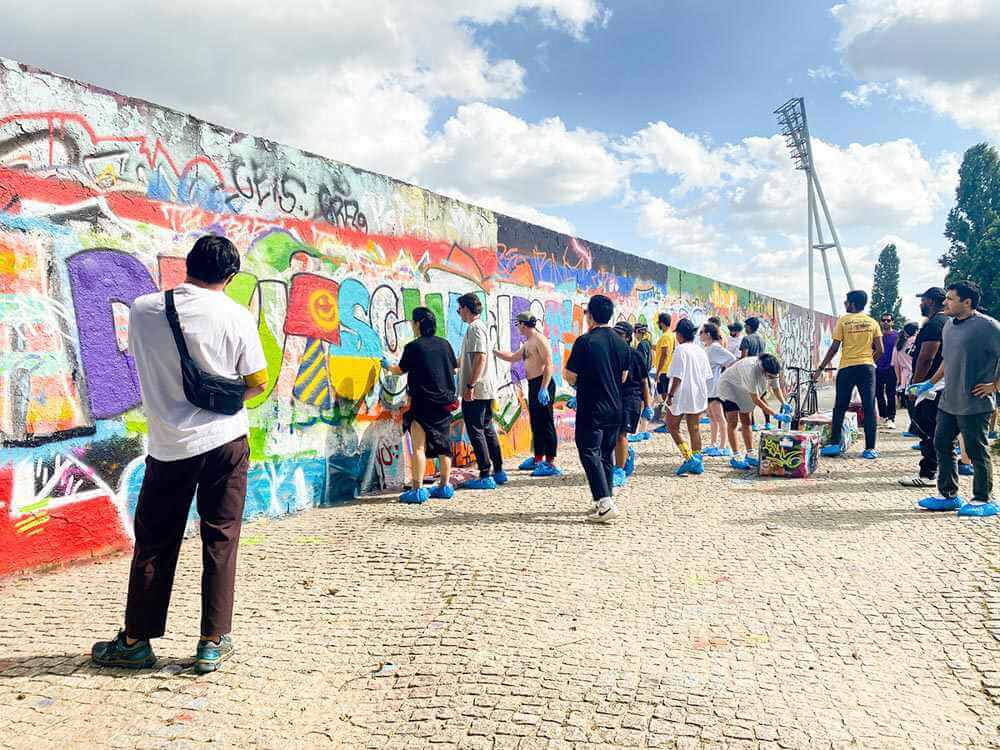
Over the past decade, corporate team building has evolved beyond traditional workshops and trust falls. Companies increasingly seek innovative ways to foster collaboration, boost morale, and spark creativity. One surprisingly effective approach that has gained traction is using graffiti as a team building activity. Not only does it break conventional office routines, but it also encourages employees to engage in creative problem-solving while strengthening interpersonal bonds.
Why is graffiti effective as a team building activity?
Graffiti works as a team building activity because it taps into multiple aspects of human psychology. Painting together requires collaboration, communication, and mutual support. Unlike conventional office exercises, graffiti provides a hands-on, immersive experience that engages the senses and stimulates creativity.
Hands-on engagement and shared goals
When employees work together to create a mural or a large-scale street art piece, they must coordinate ideas, share tasks, and negotiate styles. This creates a shared sense of ownership and accomplishment, which translates into stronger team cohesion back in the workplace.
Breaking down hierarchical barriers
In traditional office settings, hierarchy can limit open communication. During a graffiti workshop, titles and roles become irrelevant. Everyone—from interns to executives—participates on equal footing, promoting informal leadership and authentic collaboration.
Encouraging risk-taking and innovation
Graffiti encourages experimentation. Mistakes are part of the process, and employees quickly learn to adapt and innovate. This mirrors real-world problem-solving in business, helping teams develop resilience and flexible thinking.
How does a creative workshop improve team communication?
Creative workshops like graffiti sessions enhance communication in ways traditional meetings cannot. Visual art becomes a medium for expression beyond words, enabling participants to convey ideas, emotions, and perspectives more freely.
Non-verbal communication and observation skills
In a graffiti workshop, much communication occurs through body language and gestures. Team members learn to read cues, anticipate needs, and collaborate without constant verbal instructions, improving overall team dynamics.
Facilitated discussion and reflection
After the painting session, guided discussions help employees articulate the choices they made, challenges they faced, and strategies used. This reflective practice reinforces listening, empathy, and clarity in communication.
Is graffiti suitable for corporate teams with no artistic background?
Absolutely. One of the misconceptions about graffiti is that it requires prior artistic skills. In reality, the activity is designed for all levels. Workshops are structured to guide participants step-by-step, ensuring everyone can contribute meaningfully.
Structured guidance for beginners
Professional graffiti facilitators provide templates, tips, and live demonstrations. Employees quickly gain confidence, discover hidden talents, and feel proud of their collaborative artwork.
Inclusive and stress-free environment
The focus is on creativity and teamwork, not artistic perfection. Even employees with no previous experience can participate fully, making it a highly inclusive team building activity that fosters engagement.
What makes an art-based team building experience successful?
Success in art-based team building depends on thoughtful planning, skilled facilitation, and clear objectives. Graffiti workshops offer a unique combination of these elements.
Clear objectives aligned with corporate goals
Define what you want to achieve—improved communication, stronger collaboration, or enhanced creativity. Facilitators can then tailor the session to align the artistic process with these goals.
Safe and supportive environment
Participants need to feel comfortable experimenting without fear of judgment. Encouraging risk-taking and celebrating creativity ensures the team leaves feeling inspired rather than self-conscious.
Reflection and debriefing
Successful workshops always include time for reflection. Discussing the creative choices, collaboration methods, and lessons learned strengthens the connection between the art experience and workplace skills.
How can street art help teams think outside the box?
Street art, by its very nature, challenges norms and encourages unconventional thinking. When employees engage in graffiti, they learn to approach problems differently, connecting artistic exploration with innovative thinking.
Visual problem-solving
Creating graffiti requires balancing colors, shapes, and space—a visual problem-solving exercise. Teams learn to brainstorm solutions, adapt designs, and incorporate feedback in real time.
Creative freedom and experimentation
Unlike structured corporate tasks, graffiti allows for experimentation. Teams feel free to explore ideas without constraints, which often leads to unexpected, highly creative outcomes.
Is a graffiti workshop appropriate for professional environments?
Yes. When executed thoughtfully, graffiti workshops are entirely professional. The environment can be customized for corporate spaces, conference rooms, or outdoor areas, maintaining a balance of fun and professionalism.
Customization for corporate settings
Workshops can focus on themes relevant to the company’s values, such as teamwork, innovation, or cultural diversity. Facilitators ensure materials, safety, and schedules meet professional standards.
Enhancing company culture
Incorporating graffiti as a team building activity demonstrates a company’s commitment to creativity, inclusion, and employee well-being—an attractive quality for retention and engagement.
What are the benefits of creative team building for employees?
Creative team building activities like graffiti workshops provide numerous benefits, both tangible and intangible, that positively impact employee performance and satisfaction.
Boosting morale and reducing stress
Stepping away from desks to paint together is inherently uplifting. Employees experience joy, relaxation, and a sense of accomplishment that can improve overall workplace morale.
Developing soft skills
Graffiti encourages communication, leadership, adaptability, and empathy—skills essential for effective teamwork but often overlooked in traditional training.
Strengthening interpersonal bonds
Shared creative experiences foster genuine connections. Employees learn to appreciate each other’s strengths and support weaknesses, building trust and camaraderie.
How do you choose the right team building activity for adults?
Selecting the best activity requires understanding your team’s dynamics, goals, and comfort levels. Graffiti offers versatility that suits a wide range of corporate environments.
Assess team goals and preferences
Consider whether the focus is on creativity, problem-solving, or social bonding. Graffiti workshops can be tailored to emphasize different aspects depending on your team’s objectives.
Evaluate logistical considerations
Factor in the number of participants, available space, and workshop duration. Graffiti can be adapted for small groups or large corporate teams, indoors or outdoors.
Choose experienced facilitators
A skilled graffiti instructor ensures a smooth, professional experience. They guide participants, manage safety, and make sure the activity remains engaging for everyone.
Additional Tips for a Successful Graffiti Team Building Experience
- Set a theme that resonates with your company culture or values.
- Encourage collaboration by assigning mixed groups for each section of the mural.
- Document the process with photos or videos to celebrate achievements.
- Follow up with a discussion to connect the creative exercise to workplace skills.
- Offer optional reflection journals for participants to express individual insights.
FAQ
Can graffiti help introverted employees engage more with the team?
Yes. Graffiti provides a non-verbal, hands-on way for introverted employees to participate meaningfully without feeling the pressure of speaking in front of the group.
Is prior artistic talent required for graffiti team building?
No. Workshops are designed to be inclusive, with step-by-step guidance ensuring all participants can contribute creatively.
How long should a graffiti workshop last?
Most corporate workshops range from 2 to 4 hours, allowing time for briefing, creation, and reflection without overwhelming participants.
Can graffiti workshops be done indoors?
Absolutely. With appropriate protective materials and canvases, graffiti can be adapted for indoor spaces, maintaining a clean and professional environment.
What if team members are hesitant about painting?
Facilitators use icebreakers and small exercises to build confidence gradually. Participation is encouraged, not forced, creating a supportive atmosphere.
Conclusion
Incorporating graffiti as a team building activity is more than a creative diversion—it is a strategic investment in employee engagement, communication, and collaboration. By stepping outside conventional approaches, companies can foster innovation, trust, and a shared sense of accomplishment. With proper facilitation, clear objectives, and an inclusive environment, graffiti workshops transform teams into more cohesive, confident, and creatively empowered units.