


Graffiti Photography Masterclass: How to Capture Your Berlin Street Art Workshop
- News
-
Apr 17
- Share post
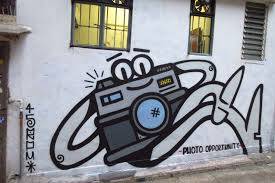
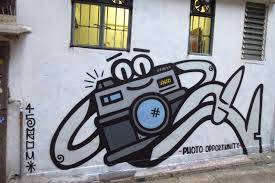
It remains impossible to revisit the past, but the power of photography allows us to capture those special, fleeting moments. When you invest time and creative energy in a street-art workshop in Berlin, the photograph is the only way to carry that unique piece of art home. Capturing the vibrant, three-dimensional energy of a freshly painted graffiti piece is an art form in itself—requiring an eye for light, context, and composition.
This masterclass will guide you through the essential techniques used by professional street art photographers to document murals and graffiti successfully. We will focus on maximizing the impact of your artwork, ensuring that the memories of your hands-on experience in Berlin last forever.
The Intersection of Street Art, History, and Photography
The capital of Germany, the city of Berlin, has a long history defined by feuds, political rise, and the iconic Berlin Wall. Just as the Wall depicts the reunion of East and West Berlin, it is also globally renowned for “Street Art” or “Graffiti.” This massive urban canvas, covered with political and artistic messages since 1961, requires careful photographic documentation.
Why Documentation is Crucial in Graffiti Culture
In the ephemeral world of graffiti, art is constantly changing—painted over, tagged, or removed. Documentation is preservation. For the professional artist, a high-quality photograph is the final product, serving as a portfolio piece, an archival record, and proof of concept. For you, as a workshop participant, a sharp, well-composed photograph is your precious souvenir.
The Berlin Wall and the Challenge of Context
When you create street art during our Graffiti workshop in Berlin, you are engaging with a powerful historical context. The challenge is to capture not only the colors and lines of your own creation but also the emotional and historical weight of the location. You cannot carry your painted wall creation home, but a great photograph allows you to cherish the memory forever.
Shooting Street-Art Photographs the Right Way During Our Workshop
Documenting your graffiti requires specific technical knowledge to ensure your vibrant colors and dynamic lines translate effectively from the wall to the digital frame. Here are the essential steps professional street art photographers follow:
Step 1: Mastering Natural Light and Timing
- The quality of light is the single most important factor.
- Avoid Harsh Midday Sun (11 AM – 3 PM): Direct overhead sun creates strong, distracting shadows and washes out vibrant colors, especially reds and yellows.
- The “Golden Hours” (Best Light): Shoot during the early morning (just after dawn) or late afternoon (before dusk). This low, warm light provides soft, flattering illumination that enhances texture and saturation without harsh shadows.
- Overcast Days: Paradoxically, an evenly overcast day provides the best diffuse, shadow-free light, acting like a giant soft box, perfect for capturing fine detail and vibrant colors accurately.
Step 2: Essential Composition Techniques
A good photograph guides the viewer’s eye.
- Rule of Thirds: Position the most important elements of your graffiti (like a signature or central figure) along the lines or intersections of a 3×3 grid. Avoid centering the piece perfectly unless you are specifically aiming for symmetry.
- Framing and Context: Decide whether you want a Contextual Shot (including the environment—a window, street signs, the ground) or a Detail Shot (a tight, flat view of the artwork itself). Contextual shots tell the story of the location.
- Using Foreground: Include elements in the foreground (like a spray can, your hand, or the guide standing nearby) to add depth and scale, grounding the artwork in the human experience.
Step 3: Camera Settings (Smartphone or DSLR)
Understanding these three settings (the “Exposure Triangle”) is key, even on a modern smartphone camera.
- ISO (Sensitivity): Keep the ISO as low as possible (100 or 200) to minimize digital grain (“noise”), ensuring a clean, sharp image. Only increase ISO if the light is too low.
- Aperture (Depth of Field): Use a slightly wider aperture (lower f-stop, e.g., f/2.8 to f/5.6) if you want to blur the background slightly (for a contextual shot). Use a narrower aperture (higher f-stop, e.g., f/8 to f/11) for Detail Shots to ensure every part of the flat artwork is in focus.
- Focus Point: Always manually tap the screen (on a phone) or set the focus point (on a DSLR) directly onto the texture of the paint, not the surrounding wall.
Step 4: Correcting for Distortion and Perspective
Because walls are flat and cameras use lenses, you must correct for “key stoning” (the effect where vertical lines look like they are leaning inwards).
- Get Closer and Parallel: The most crucial tip: stand as parallel to the wall as possible. If you shoot from an angle, the side nearest the camera will look larger.
- Post-Processing Correction: If you can’t stand parallel, use the perspective correction tools in editing apps (like Lightroom or Snapseed) to digitally straighten the lines. Always check the corners to ensure they form perfect 90-degree angles.
Legal and Ethical Considerations in Street Art Photography
As a participant in our Berlin workshop, you are operating in a sanctioned space, but knowing the broader rules is essential for the culture.
The Right to Photograph Public Art
In Germany, generally, you have the right to photograph murals and graffiti visible from public space (“Panoramafreiheit” or freedom of panorama). However, this can be complex when the art is permanently fixed to private buildings.
- Respect the Artist: While street art is public, remember it is still intellectual property. If you post online, try to credit the artist if known.
- No Commercial Use (Without Permission): Using a photograph of someone else’s mural to sell products without the original artist’s permission can be illegal. Your own artwork created during the workshop is yours to document and promote freely.
Capturing People and Privacy (“Datenschutz”)
Be mindful of German privacy laws (“Datenschutz”). Do not include identifiable faces of passersby or other artists in your photos without their explicit consent. Focus your camera on the artwork, the tools, or your own team.
The Paint Your First Graffiti Workshop: A Photo Opportunity
Our workshop is specifically designed to provide the ultimate photographic environment.
Expert Guidance Meets Photographic Location
The location where we facilitate the workshop: a legal, sanctioned area adjacent to the historic Berlin Wall, provides stunning backdrops without the risks associated with illegal painting. We ensure the area is well-lit and accessible, maximizing your photo potential.
Our team, experts in both graffiti and its documentation, can provide on-the-spot advice to help you frame your Berlin Street Art masterpiece perfectly.
Transforming Your Memories into Keepsakes
Taking photographs of your art here is the perfect way to document your achievement:
- Portfolio Building: Even your first piece is a legitimate start to an art portfolio.
- Unforgettable Souvenir: It’s a digital trophy of an alternative Berlin experience.
- Social Sharing: A vibrant, high-quality photo ensures maximum impact on platforms like Instagram and Facebook.
FAQs: Mastering Your Graffiti Photography
What is the single most important tip for photographing my graffiti?
Always stand directly parallel to the wall and shoot during the golden hour or on a clean, overcast day.
Should I use the flash on my phone?
Generally, no. Flash can create a harsh glare on the wet paint and wash out your colors. Rely on natural light.
What if I want a picture of myself next to the art?
That’s encouraged! Just ensure the lighting is even. Have the person taking the photo stand parallel to the wall, and stand close to the artwork to maintain a consistent focus.
Do your workshops provide time specifically for photography?
Yes. Dedicated time is allocated at the end of the session for participants to capture their final pieces and take group photos before the wall is prepared for the next artwork.
Conclusion: Stop Watching, Start Documenting Your Art!
Your journey through Berlin’s history culminates in a moment of personal creation. The Street-art workshop in Berlin is your canvas, and the final photograph is your legacy. By applying these professional photography techniques, you transform a memorable activity into a timeless keepsake.
Don’t just join the best thing to do in Berlin; ensure you capture it perfectly. We provide the expertise in painting; you provide the eye for documentation.
Ready to turn your Berlin trip into a masterpiece that you can truly take home?
Book your graffiti workshop today! We ensure the perfect blend of historical immersion, hands-on creation, and the ideal environment for your documentation needs. Visit our Contact Page to make an inquiry or purchase a gift card for a loved one. Join us and make history (and memories)!
